
What Features Should a Professional Food Delivery Bag Have?
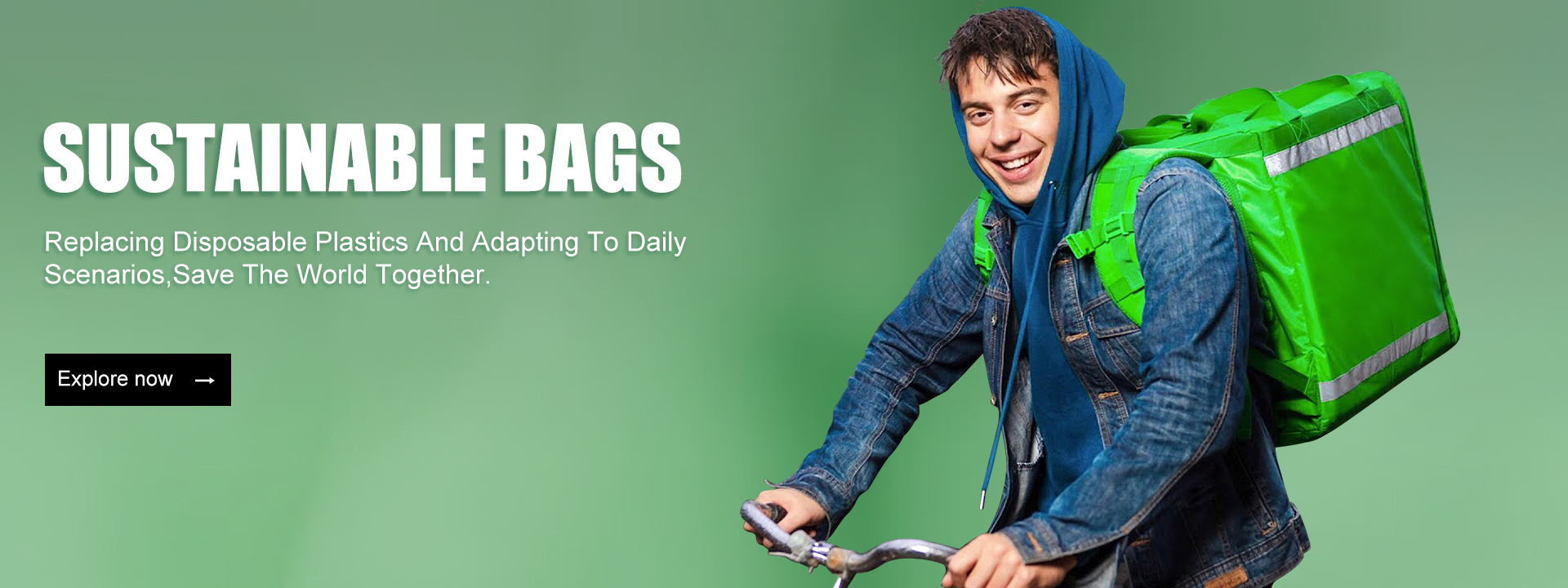
Here are the essential features every professional-grade food delivery bag must offer.
1. Superior Thermal Retention
Temperature control is non-negotiable. A professional bag must keep hot food above 60°C and cold food below 4°C for at least 30–60 minutes. This requires:
(1) High-density closed-cell foam or food-grade PEVA insulation to minimize heat transfer.
(2) Thermal reflective linings (aluminum foil layers) that bounce heat back toward the food.
(3) Separate compartments or dual-zone designs to prevent hot and cold items from affecting each other.
In multi-order deliveries, the ability to maintain distinct temperature zones is becoming an industry baseline.
2. Durability Under Daily Use
Consumer-grade bags fail within weeks. Professional bags are built for shift-after-shift abuse—and the choice of material makes all the difference.
The industry standard has shifted toward two dominant options:
(1) Tarpaulin (vinyl-coated polyester mesh) —Highly waterproof, tear-resistant, and structurally rigid. Tarpaulin holds its shape even when fully loaded, protects contents from impact, and wipes clean in seconds. It is the preferred choice for high-volume fleets and motorcycle couriers who need the bag to stand upright during loading and transit.
(2) 1680D polyester fabric —Lightweight yet extremely durable. 1680D offers excellent abrasion resistance and flexibility, making it ideal for backpack-style bags or foldable designs. It performs well in wet conditions when paired with a waterproof lining and is easier to collaps for storage.
Both materials outperform basic nylon or 600D polyester in longevity. Reinforced stitching at stress points—handles, zippers, and base seams—remains essential regardless of shell material. Rust-proof zippers and buckles (metal or high-grade nylon) complete the package, ensuring nothing snaps mid-ride.
A bag that falls apart after three months—regardless of whether it is tarpaulin or 1680D—is not a professional tool. The material must match the use case, but quality control and construction matter just as much.
3. Ergonomic and Vehicle-Compatible Design
Delivery professionals spend hours on bikes, scooters, or on foot. The bag must work with the human body and the vehicle:
(1) Padded, adjustable shoulder straps with anti-slip backing.
(2) Load distribution features such as chest clips or hip belts to reduce back strain.
(3) Foldable or collapsible structures that fit into standard delivery scooter boxes.
(4) Low-profile or backpack-style designs that don’t interfere with balance while cycling.
(5) Carrying comfort directly impacts delivery speed and driver retention.
4. Food Safety and Hygiene Compliance
In a post-pandemic world, hygiene is a public expectation and often a regulatory requirement:
(1) Anti-microbial interior linings that resist mold and bacteria.
(2) Leak-proof base construction—spilled sauce should never seep through the bag or drip onto a customer’s doorstep.
(3) Odor-resistant materials that do not retain smells from previous deliveries.
(4) Easy-clean surfaces; ideally, the bag should be fully wipeable or have a removable, washable liner.
5. Size Versatility and Internal Organization
One size rarely fits all. A professional bag must accommodate:
(1) Multiple order configurations—pizza boxes, family meal containers, bubble tea cups, and large catering trays.
(2) Adjustable interior dividers or removable shelves to stabilize items and prevent tipping.
(3) Cupholders or elastic straps for drinks and soups.
(4) Expandable capacity for peak hours or catering orders.
Fleets increasingly prefer modular systems where couriers can swap liners or shells based on the shift’s demand.
6. Weather and Environmental Protection
Delivery happens in rain, snow, and summer heat. Professional bags must shield the contents from:
(1) Water damage—fully waterproof exterior shells or included rain covers.
(2) Dust and road debris—tight-sealing zippers and flaps.
(3) Extreme external temperatures—UV-resistant and heat-reflective outer layers.
If the weather outside is extreme, the inside should remain stable.
7. Branding and Professional Appearance
In competitive markets, the bag is moving billboard space:
Large, smooth surface areas for screen-printed or embroidered logos.
Color consistency that aligns with brand identity.
Professional silhouette—worn-out, stained, or misshapen bags damage brand perception.
Some operators now require “clean bag policies” where couriers must present well-maintained, branded gear for each pickup.
8. Smart Features for Modern Logistics
The delivery ecosystem is digitizing, and bags are beginning to follow:
RFID or NFC pockets for contactless handoff verification.
GPS-trackable attachments for fleet management.
Temperature data loggers that confirm cold chain compliance.
QR code tags for quick courier-bag pairing in dispatch systems.
While not yet universal, these features are quickly becoming differentiators for high-volume, premium delivery operations.
Conclusion
A professional food delivery bag is no longer a commodity—it is a performance tool. It must preserve food integrity, survive physical demands, project brand quality, and increasingly, talk to the logistics cloud, As delivery becomes the primary dining experience for millions of customers, the bag is no longer the last mile. It is the final touchpoint. And it must be built accordingly.
