
The Reusable Bag Revolution: From Trend to Transformation
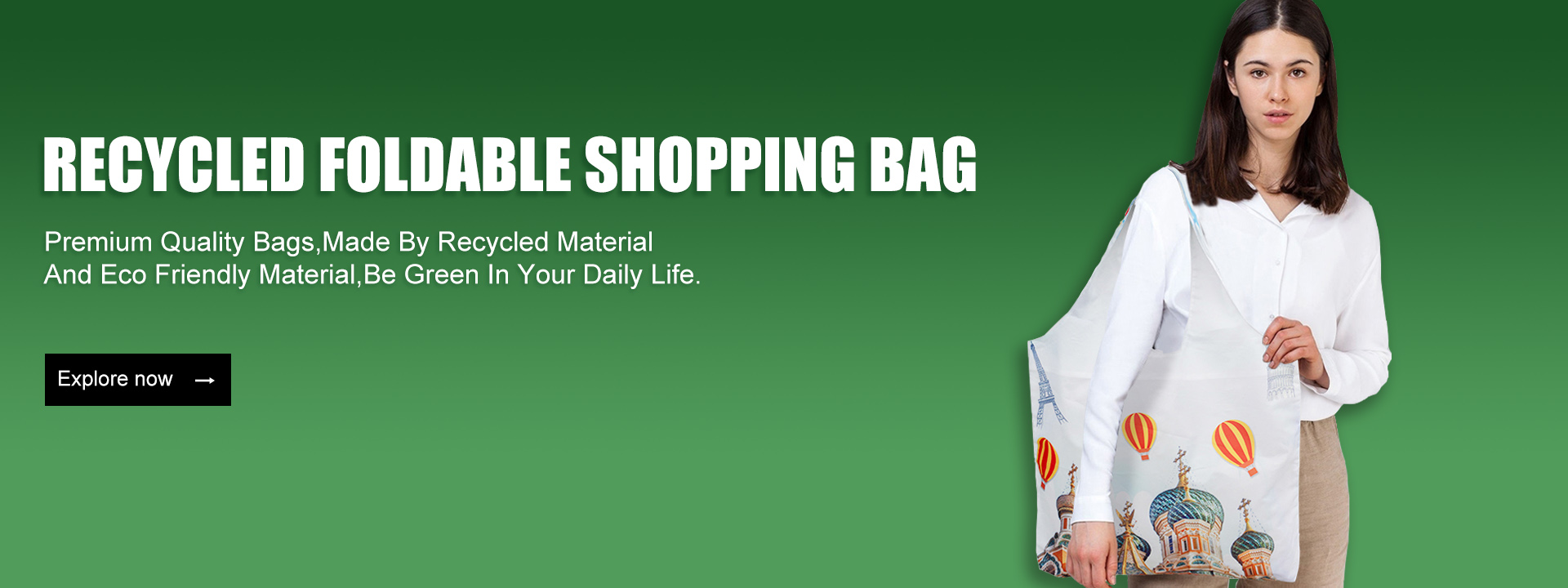
The Reusable Bag Revolution: From Trend to Transformation
The humble shopping bag is undergoing a profound transformation. Once a ubiquitous symbol of convenience, the single-use plastic bag is being steadily displaced by its reusable counterpart. This shift is more than a passing eco-trend; it represents a fundamental change in consumer behavior, regulatory landscapes, and corporate responsibility, driving a dynamic and growing industry.
The Drivers of Change
The momentum behind reusable bags is fueled by a powerful confluence of factors:
Global Regulatory Pressure: Governments worldwide are implementing stringent bans, taxes, and fees on lightweight plastic bags. From the EU's SUP Directive to statewide bans in the US and policies across Asia and Africa, legislation is creating a mandatory market for reusable alternatives.
Consumer Consciousness: Modern shoppers are increasingly informed and values-driven. Awareness of plastic pollution's impact on oceans, wildlife, and ecosystems has turned the reusable bag into a visible badge of environmental stewardship. For many, it's the first and easiest step towards a more sustainable lifestyle.
Corporate Sustainability Goals: Brands and retailers are aligning with this sentiment. Offering durable, branded reusable bags is a tangible way to demonstrate commitment to sustainability, enhance brand image, and meet ESG (Environmental, Social, and Governance) targets. It's a move that resonates with a loyal, eco-conscious customer base.
Beyond the Basic Tote: Innovation and Diversification
The industry has evolved far beyond the simple canvas tote. Today's market is characterized by impressive innovation:
Material Science: Manufacturers are exploring a wide array of materials—from recycled PET (rPET) and durable polypropylene to organic cotton, jute, and innovative plant-based composites. The focus is on reducing the carbon and water footprint of production while ensuring durability.
Function-First Design: Bags are now designed for specific uses: insulated bags for groceries, foldable pouches for handbags, heavy-duty crate-style bags, and washable produce bags. Features like reinforced seams, wide bottoms, and comfortable handles enhance utility.
Circular Economy Models: Forward-thinking companies are introducing take-back programs, where worn-out bags are collected, recycled, and transformed into new products, closing the loop and reducing waste.
Market Challenges and the Path Forward
Despite the growth, the industry faces critical challenges that must be addressed for true sustainability:
The "Worse Than Plastic" Paradox: A reusable bag must be used many times—often 50 to 150+ times depending on material—to offset the higher environmental impact of its production. Consumer education on this "break-even" point is crucial.
Over-Production and Greenwashing: The low-cost production of promotional reusable bags can lead to surplus, creating a new form of waste. The industry must move from volume-driven models to quality-driven, purpose-driven production.
End-of-Life Management: What happens when a reusable bag reaches its end? Developing accessible recycling infrastructure and clear disposal guidelines is essential to prevent them from becoming landfill clutter.
Opportunities for Brands and Retailers
For businesses, reusable bags present significant strategic opportunities:
Branding & Loyalty: A well-designed bag is a mobile billboard, fostering brand recognition long after checkout. Limited editions or collaborations can turn them into coveted items.
Data & Engagement: Integrating QR codes or NFC tags can link to sustainability content, loyalty programs, or product information, creating an interactive customer experience.
Driving Systemic Change: Leading retailers can incentivize reuse through loyalty points for bag-free checkouts or discounts for using customer bags, actively shaping consumer habits.
Conclusion: A Symbol of a Larger Shift
The rise of the reusable bag is a microcosm of the broader transition towards a circular economy. It demonstrates how policy, innovation, and shifting consumer values can converge to disrupt a deeply entrenched habit. The future of the industry lies not just in selling more bags, but in promoting a culture of reuse—designing for longevity, enabling repair and recycling, and ultimately reducing the total consumption of single-use items altogether.
The reusable bag is no longer just an accessory; it is a tangible, everyday tool for environmental action. Its continued evolution will be a key indicator of our collective progress towards a less wasteful, more sustainable future.
