
15
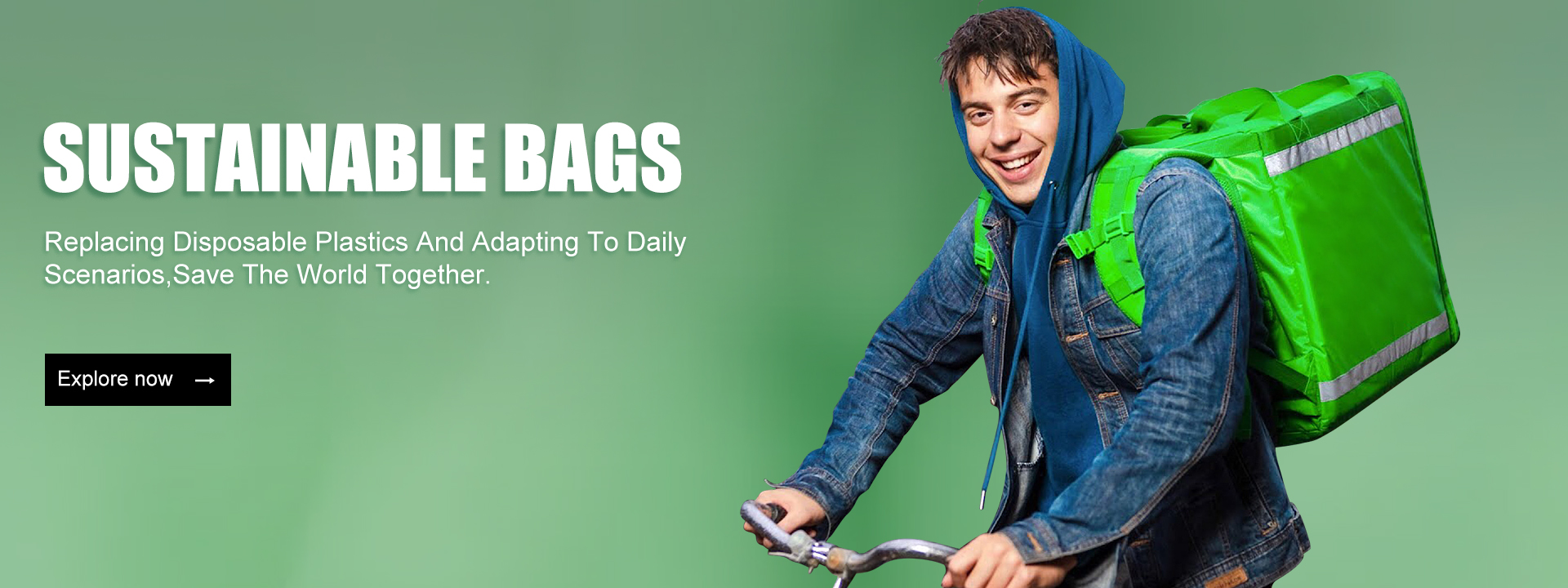
- Night Riders and Rainy Routes: Specifying Food Delivery Bags for Uber Eats, Wolt, DoorDash and Glovo Fleets
- Most delivery bag failures are not material failures. They are specification failures — a bag that was ordered against a photograph instead of against the shift it has to survive. Night work and rain are the two conditions that expose the difference fastest. Both are routine for the riders serving Uber Eats, Wolt, DoorDash, Glovo, Deliveroo, Just Eat and Lalamove across Europe, and both are usually treated as afterthoughts in the purchasing conversation. What follows is how we approach them at Herisen, including one rainy-market project where the buyer's requirements turned out to differ from what the style name suggested.
- 2026-10-15
10
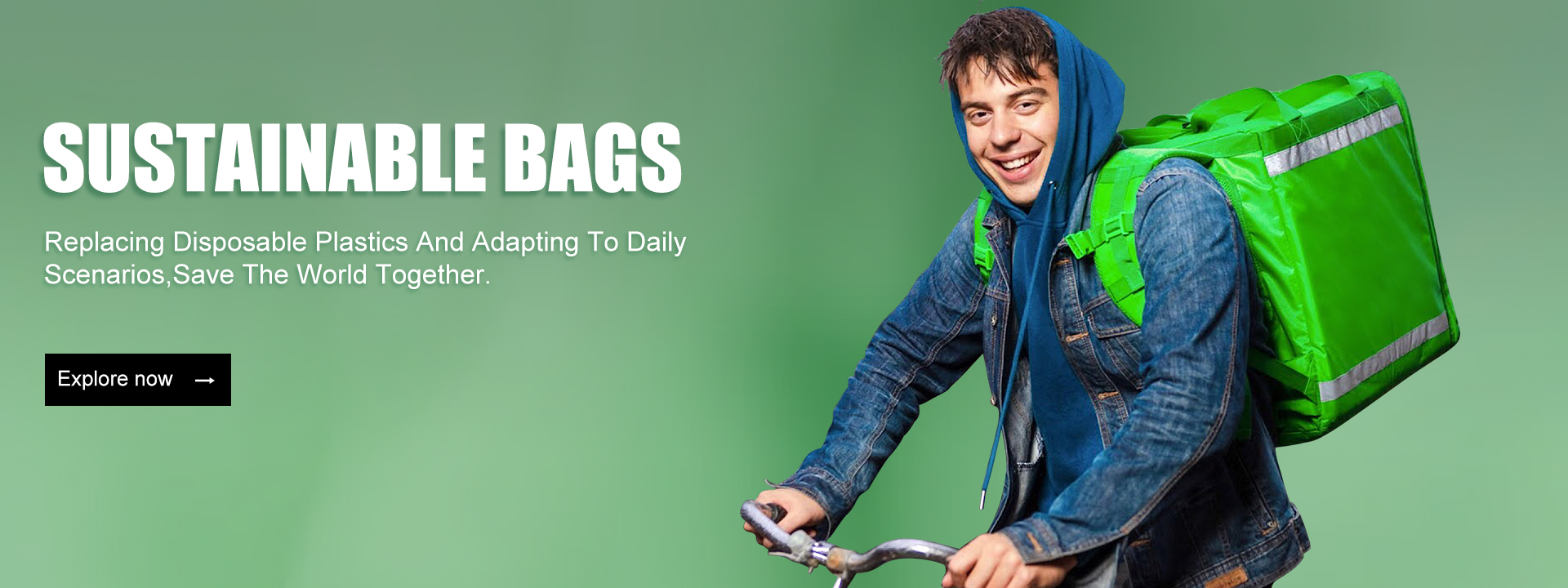
- Engineering High-Frequency Fleet Logistics: Why Large Capacity Food Delivery Bags Need Removable Hard Panels
- Discover how semi-rigid food delivery bags with removable hard panels, 15mm thermal foam, and modular dividers protect multi-order deliveries for high-frequency courier operations.
- 2026-10-10
29
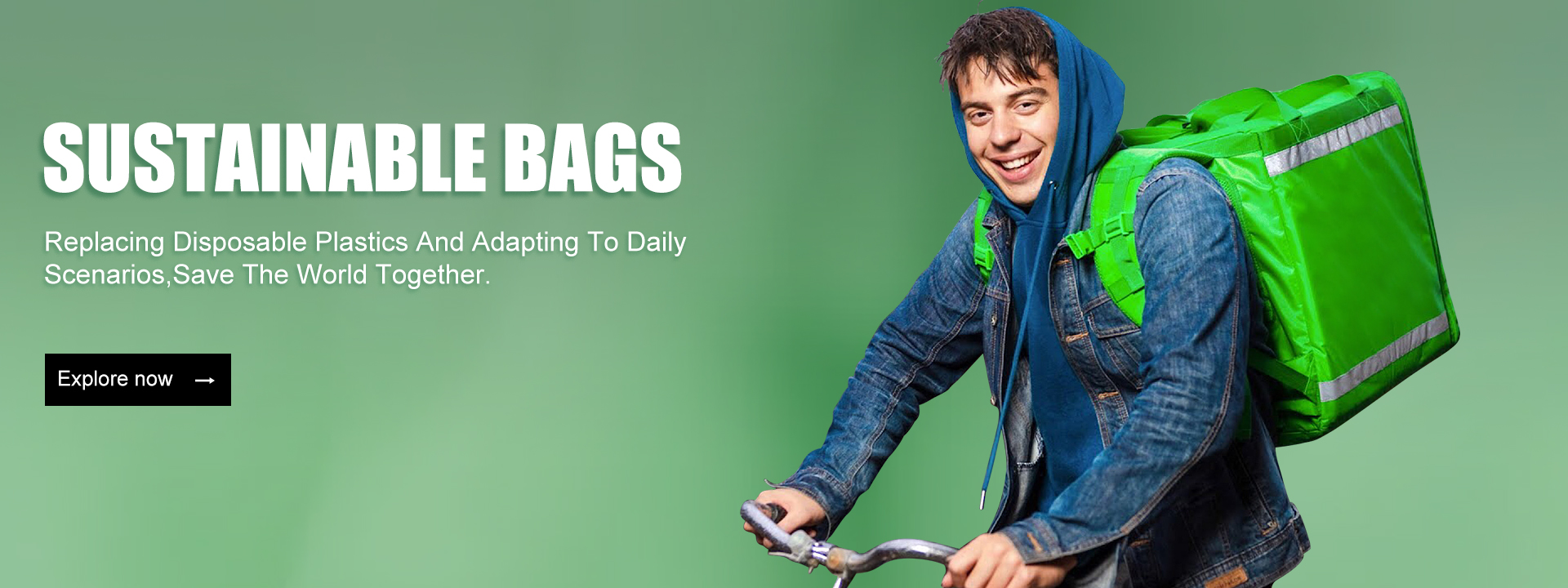
- Beyond the Zipper: Designing Faster Food Delivery Bags with Magnetic Lids and Separate Drink Compartments
- In last-mile food delivery, insulation is only one part of performance. Riders and restaurant staff also need fast access, stable packaging, easy cleaning and a layout that works for mixed orders. A courier may open the same bag repeatedly during a shift—at pickup, during order checks and at every customer handover. If the opening system is slow or the interior is poorly organized, small delays and handling errors can accumulate across the route. That is why some delivery operators are exploring a different configuration: a zipper-free insulated delivery bag with a magnetic lid and a separate drink compartment. This design is not the right answer for every route. However, when engineered around the real order mix, it can reduce handling friction while keeping food and beverages better organized. For restaurants, cloud kitchens, grocery services and last-mile fleets, the value lies not in removing a zipper for its own sake, but in creating a more efficient loading and handover system.
- 2026-09-29
23
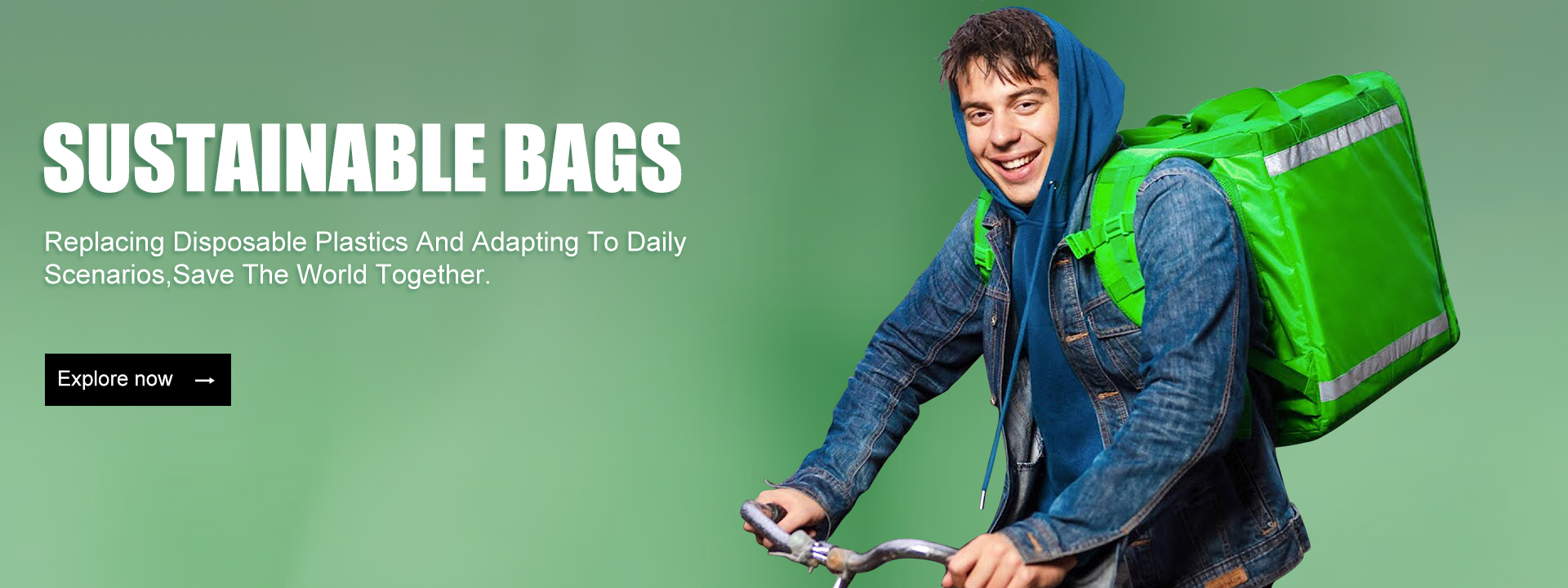
- Why Food Delivery Bags Fail During Peak Orders - And How to Specify Bags That Last
- Most food delivery bags do not fail because the fabric wears out. They fail because the highest-stress points — the handle anchor, the corner seam, the zipper end, the base panel, and the inner lining — were never specified for repeated commercial use. Fixing peak-season failure is a specification problem, not a thickness problem. This guide maps each common failure point to the material and construction decision that prevents it, then shows how EU, UK, and US buyers can verify compliance, warranty terms, and lead times before placing a wholesale order.
- 2026-09-23
18
- Uber Eats, Wolt, DoorDash and Glovo: What Delivery Platforms Really Expect From a Food Delivery Bag Supplier
- Delivery stopped being a side channel for restaurants a long time ago. For a growing number of kitchens, it is the main line of revenue — and the equipment that carries the order from pass to doorstep is doing the same work as the packaging, the kitchen line, and the menu itself. That shift is why the food delivery bag has moved out of the "accessories" budget and into the operations budget. When a brand's orders arrive through Uber Eats, Wolt, DoorDash, Glovo, Deliveroo, Just Eat or Lalamove, the bag is the last physical touchpoint between the kitchen and the customer. It is also the only piece of equipment that leaves the building hundreds of times a week, in the rain, on a scooter, strapped to a rider who has fifteen minutes to make the next pickup. This article looks at what delivery platforms and their courier fleets actually put a food delivery bag through — and what buyers should specify before placing a fleet order.
- 2026-09-18
11
- How to Develop a Multi-Purpose Delivery Backpack for Food, Groceries, Parcels, and Last-Mile Delivery
- One backpack, four cargo types, one shift. Here is how custom delivery backpack development actually works — sizing, insulation, structure, modular interiors, and prototypes — from Herisen, an OEM supplier to Uber Eats, Wolt, LALAMOVE, and Walmart.
- 2026-09-11
