
From "Plastic Ban" to "Daily Habit": The Self-Cultivation of Top-Rated Reusable Polyester Shopping Bags for 2026
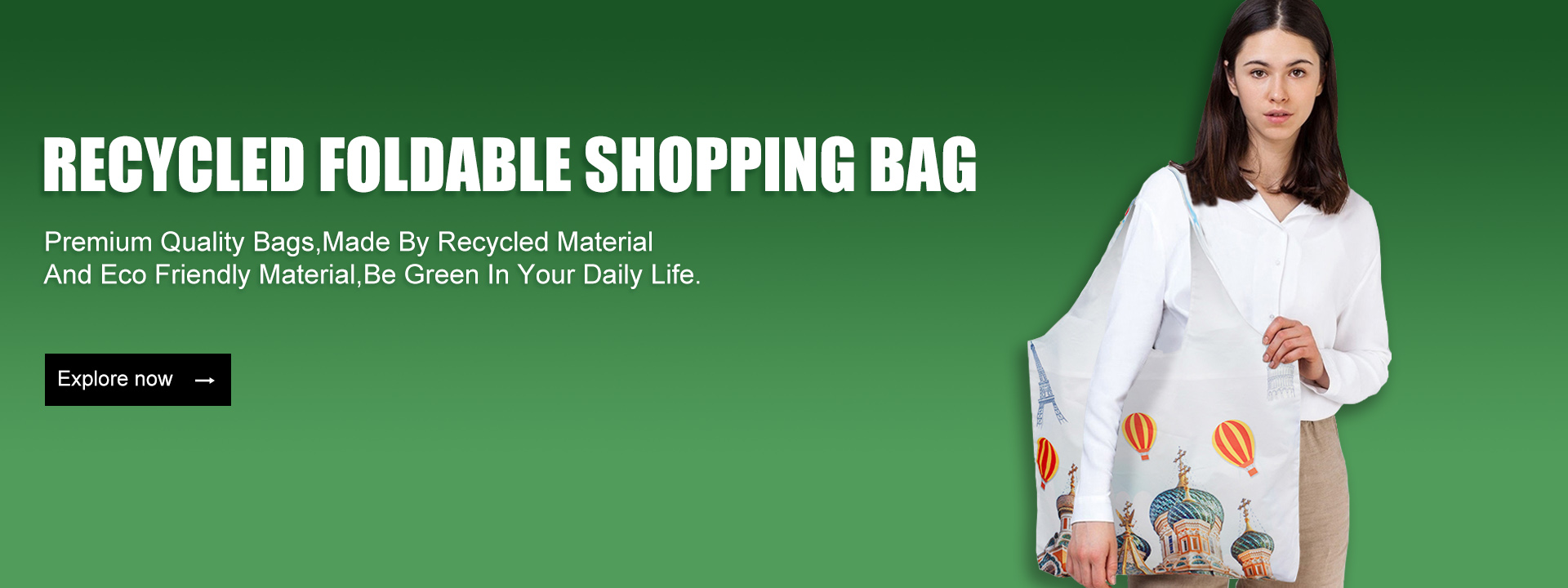
Introduction | When Environmentalism Becomes Routine, Bags Need to "Level Up"
Entering 2026, we find that "plastic bans" are no longer news but have become ingrained in every aspect of daily life, from grocery shopping and commuting to leisure activities. Globally, consumer demand for reusable shopping bags has evolved from "just having one" to the stage of seeking bags that are "functional, durable, and tasteful."
According to recent data from QYResearch and Research and Markets, the global reusable shopping bag market reached between $11.43 billion and $868 million in 2025 (due to differing statistical scopes) and is projected to approach $13.91 billion by 2032, with a compound annual growth rate of 6.97% . Within this vast market, Polyester, particularly recycled Polyester (rPET) , is becoming a frequent flyer on the lists of "Top-rated reusable tote bags" due to its unique performance advantages.
So, what exactly makes a polyester shopping bag worthy of a "high score" and the title "Top Pick for Daily Use"? This article delves into the industry and technological forefront to break down the essential qualities of an excellent reusable polyester shopping bag.
I. Material Revolution: More Than Just "Polyester," It's the Technology of "Recycling"
Traditional shopping bags are either bulky and hard to fold or too flimsy to carry weight. The core of today's highly-rated products lies in material innovation.
The Rise of Recycled Polyester Fiber (rPET)
High-end products on the market extensively use 100% recycled polyester fiber made from recycled plastic bottles (e.g., PET bottles) or textile waste. This material not only reduces dependence on petroleum and plastic pollution but also surpasses virgin materials in performance .
Data from Alibaba.com shows that high-end recycled polyester bags can achieve recycled content ranging from 70% to 90% and are certified by standards like the GRS (Global Recycled Standard) . The advantages of this material are:
High Strength & Lightweight:
rPET produced through high-tech spinning technology has strength even exceeding that of virgin polyester. For instance, a Pro-grade shopping bag can bear a load of over 25 kilograms while remaining lightweight
Waterproof & Easy to Clean:
Special polyester coatings provide excellent water repellence and stain resistance. Whether used on rainy days for supermarket trips or for carrying fresh produce, a simple wipe with a damp cloth or a quick rinse makes it look new, avoiding the mildew issues common with cotton or linen bags in damp environments .
II. Rigorous Testing: Durability is the True Environmentalism
A bag that breaks after a few uses is ultimately wasteful. A truly "high-score" bag must withstand real-world abuse.
According to durability tests on reusable shopping bags, polyester shows outstanding fatigue strength. Data indicates:
Lifespan: High-quality foldable polyester bags can withstand over 500 cycles of repeated use in laboratory tests .
Tear & Abrasion Resistance: Compared to cotton bags (prone to wear after about 45 washes) and standard nylon, polyester fiber excels in UV resistance and tear resistance. Although prolonged sun exposure can make fibers brittle, for everyday use stored in handbags or cars, its durability outperforms 80% of other materials on the market .
Case Study: A zero-waste lifestyle advocate, in a six-month real-world test, found that a nylon/polyester blend shopping bag used 2-3 times weekly remained structurally intact after over 75 uses and 50 machine washes (aside from minor thread wear). In contrast, a cotton bag in the comparison group showed mildew spots after exposure to damp conditions .
III. Design Aesthetics: The "Space Magic" of Foldability and Portability
For daily commuters, carrying a large, rigid bag everywhere is impractical. Therefore, "foldability" is a key feature propelling polyester shopping bags to the top of rating charts.
Current popular designs utilize the "fold into a pouch" concept. An excellent polyester shopping bag can be ingeniously designed to fold compactly, like a handkerchief, into a small pouch just 3 inches × 3 inches (approx. 7.6 cm square), easily slipping into a handbag or even a jeans pocket . This design leverages the soft and pliable nature of polyester to instantly "transform" into a large-capacity shopping bag (e.g., an XL size measuring 56cm×67cm when unfolded) when needed, perfectly solving the pain point of forgetting to bring a bag .
IV. Certification & Responsibility: Visible Sustainability
In the world of high-rated products, transparency and certification are indispensable. Consumers want to know not only what the bag is made of but also whether its production is compliant and genuinely eco-friendly.
International Certifications: Top-tier manufacturers typically pursue certifications like GRS, OEKO-TEX, or Intertek's Green Leaf Mark. These ensure traceability throughout the process, from the source of recycled materials to the use of chemicals in production and labor conditions .
Carbon Footprint: Choosing recycled polyester over virgin polyester can significantly reduce greenhouse gas emissions by up to 80% and non-renewable energy use by 91% . Using a GRS-certified rPET shopping bag means you're not just reducing one plastic bag; you're contributing to a lighter burden on the planet.
V. Application Scenarios: From Supermarket Shelves to Fashion Runways
Today's high-score reusable polyester bags have long transcended the single attribute of a "shopping bag."
Retail & Brand Collaborations: It serves as a mobile billboard for brands. Through heat transfer or digital printing, vibrant colors and complex designs can be perfectly rendered on polyester fabric and are resistant to fading .
Everyday Multi-Tool: Whether it's for weekly grocery hauls, carrying gym clothes, or as a travel tote for short trips, the polyester shopping bag excels in all roles thanks to its durable and waterproof characteristics.
Conclusion
Looking ahead to 2026 and beyond, the reason reusable polyester shopping bags have become top-rated everyday essentials is no accident. It's the culmination of the integration of material science (rPET), structural design (ultra-thin folding), and environmental responsibility (lifecycle certification) .
For industry buyers, choosing a high-score polyester bag means selecting a solution that aligns with global anti-plastic trends while meeting modern consumers' demanding requirements for convenience and design. As industry reports suggest, future market success hinges on combining material advancements, sourcing flexibility, and precise channel management . And the polyester shopping bag stands as a prime example of this trend in action.
Data in this article references reports from QYResearch, Research and Markets, Alibaba.com, and textile industry sustainability reports.
