Foldable Polyester U-Shape Shopping Bag: How a Classic Design Combines Practicality, Craftsmanship, and Brand Customization Value Introduction: From an Optional Consumer Good to a Daily Necessity
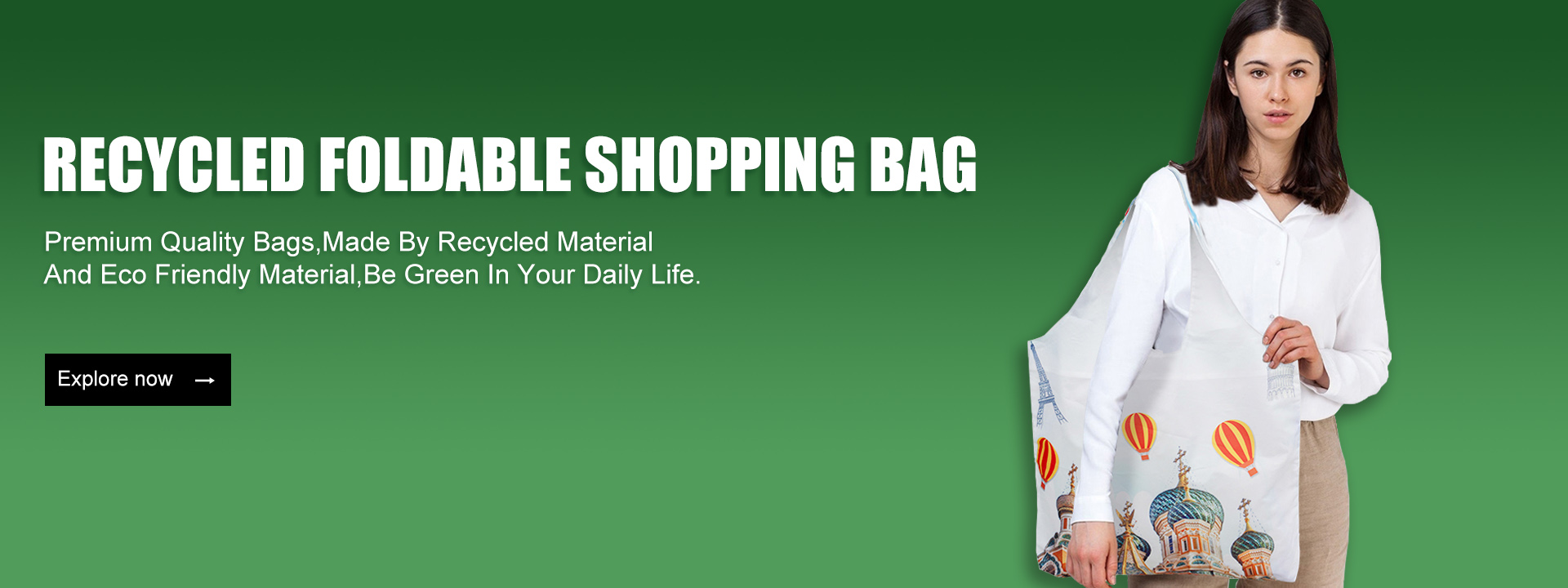
As global plastic restriction policies continue to deepen, reusable shopping bags are undergoing a fundamental shift from an optional item to a daily necessity for the masses. The European Union, the United Kingdom, and multiple Southeast Asian countries have successively legislated restrictions or taxes on single-use plastic bags, while North American retail chains are also accelerating the adoption of bring-your-own-bag policies. This trend is reshaping the procurement logic of retail end-users worldwide.
Among the various alternative materials, polyester has become the mainstream fabric in the eco-friendly bag sector, thanks to its comprehensive advantages: lightweight, tear-resistant, easy to clean, mildew-resistant, compact storage, and mature manufacturing processes. While there are many styles on the market, products that can simultaneously accommodate multiple use cases, withstand frequent washing, and support flexible brand customization remain the top choice for repeat purchases.
This double-layer U-shaped handle foldable polyester shopping bag, developed and market-validated through years of factory practice, has become a perennial best-seller for supermarket retail, branded gifts, and bulk export orders. This article will systematically analyze the underlying logic behind its sustained popularity, from design, craftsmanship, storage concept, and customization value.
1. A Proven U-Shape Design with Multi-Size Customization for All Scenarios
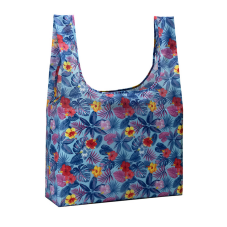
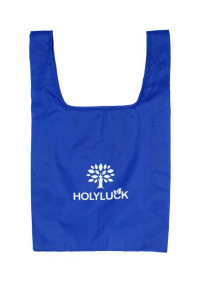
This bag adopts the industry-classic double-layer U-shaped handle plus angled body construction, with smooth, flowing lines that allow the bag to stand naturally without collapsing or deforming. This silhouette has been refined through years of market feedback. It avoids the niche appeal and customization challenges of unconventional shapes, while delivering significantly better load-bearing capacity and user experience than standard flat-bottomed bags.
Unlike fixed-size mass-market products, this bag supports full-size customization across three main specifications, precisely tailored to different use cases.
Small size, approximately W25 by H46 centimeters, is ideal for lunch boxes, water bottles, keys, and other light daily carry items, short trips, or takeout lunches.
Medium size, approximately W39 by H64 centimeters, works perfectly for daily grocery shopping and market runs. It offers a sleek, stylish look that balances practicality with fashion appeal.
Large size, approximately W46 by H84 centimeters and above, is designed for bulk purchases, large item hauling, or temporary storage and moving.
A key point worth highlighting is the handle design, which is often the most noticeable indicator of quality difference between a premium bag and a cheap one. The handles are sewn with double-layer fabric, offering a soft, comfortable grip even when carrying heavy loads, without digging into the hands. The U-shape height is ergonomically optimized for natural hand-carrying, while also accommodating shoulder carry for both men and women. Reinforcement stitching is applied at all stress points where handles meet the body, preventing tearing from repeated pulling, effectively eliminating the most common complaint of handle detachment.
From a sourcing perspective, multi-size availability is a fundamental requirement for winning large clients. Retail chain buyers typically need the same style across multiple capacities for bulk stocking. Being able to produce all sizes within a single factory not only reduces supply chain coordination costs but also strengthens your negotiating position.
2. Refined Interior Stitching, No Loose Threads, No Cheap Feel
Craftsmanship details are the key differentiator in product positioning and repeat purchase rates. Many budget fabric bags focus only on surface printing, while the interior workmanship is rough, with exposed raw edges that often lead to fraying and loose threads after a few uses, resulting in customer complaints, returns, and reputational damage for brands.
This shopping bag stands out with distinct quality improvements.
First, double-stitched seams on the interior fully enclose raw fabric edges for a clean, neat finish with no stray threads inside.
Second, consistent thread tension is maintained throughout, preventing seam failure at high-stress points and ensuring structural stability.
Third, reinforced side and bottom joints, which are the most vulnerable areas under heavy loads, are carefully strengthened, significantly extending the bag's service life.
These refined interior details not only elevate the overall product quality but also eliminate practical annoyances like threads catching on phone screens or produce. For buyers, this is the most direct visible indicator that separates mass-market goods from premium orders and a strong justification for higher pricing.
From the factory perspective, the extra cost of improving interior workmanship is relatively modest, yet it unlocks significant pricing leverage. Premium supermarket house brands and Japanese retailers are especially strict on such details, often conducting dedicated inspections on interior finishing during sample approval.
3. Built-in Storage Pouch, Compact Portability Meets Sustainable Production
Portable storage capability is a major practical differentiator of this bag and a functional requirement increasingly written into buyer specifications.
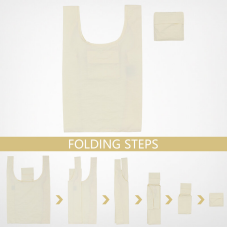
After use, the bag can be folded along crease lines and tucked into its matching small storage pouch, reducing to a palm-sized bundle that easily fits in a backpack side pocket, handbag, or car glove compartment. This makes it truly carry anywhere without taking up space, eliminating the hassle of storing bulky bags.
From a manufacturing standpoint, there is another layer worth communicating. The matching storage pouch is made entirely from fabric offcuts and trimming waste generated during cutting. This maximizes material utilization and embeds waste reduction into the product itself, not just as a slogan but as a tangible practice.
This approach aligns perfectly with the growing global trend of Responsible Sourcing. More and more European retailers and brands are incorporating material utilization rates and packaging waste control into their supplier evaluation systems. Factories that can proactively demonstrate these practices gain significant competitive advantages during vendor qualification reviews.
4. A Versatile Customization Canvas, Visual Appeal and Brand Exposure in One
Eco-friendly shopping bags are no longer just carriers. They are mobile brand billboards and everyday fashion accessories for consumers. In many purchasing decisions, customization quality and visual appeal ranks alongside price as a primary consideration.
This bag offers extensive customization possibilities.
For printing, there are two main options. Full digital printing supports any artwork, illustrations, gradients, and photo-grade images with no color limit, making it ideal for fashion brands or art collaborations seeking bold visual impact. Screen printing is best for clean layouts, solid-color logos, and text, offering thick ink layers, vibrant colors, high stability for bulk orders, and better cost efficiency.
For design details, the handle can be color-matched to contrast with the bag body. This single subtle detail elevates the overall aesthetic, breaks the monotony of traditional bags, and encourages customers to snap and share.
For brand application scenarios, retail store shopping bags work well with brand color plus screen-printed logo, bulk stocked for repeated use. Membership gifts or holiday giveaways benefit from full digital print plus gift box packaging for a premium brand experience. Trade show swag and event giveaways can feature corporate VI colors with event branding, making them practical and shareable. For OEM and ODM export orders, buyers provide artwork and the factory replicates it with precision, ready for private-label shipment.
When consumers repeatedly use a bag emblazoned with brand information in public spaces, it generates low-cost, high-frequency brand exposure with far greater reach and impact than single-use promotional materials.
5. Industry Summary: Why a Classic Style Continues to Sell
New and trendy designs emerge constantly in the eco-bag market. But after the trends fade, the products that sustain consistent volume sales share common traits: market-validated silhouettes, broad use-case coverage, craftsmanship that passes buyer scrutiny, and customization capabilities that meet branding needs.
This foldable U-shaped polyester shopping bag embodies all these qualities.
The proven silhouette features double-layer U-shaped handles that strike the perfect balance between load capacity and visual appeal.
The multiple sizes offer three mainstream specifications that adapt to both retail and bulk export requirements.
The premium craftsmanship includes double-stitched interior finishing and reinforced stress points, with durability backed by process.
The built-in storage combines foldable design with a storage pouch made from fabric offcuts, delivering both portability and sustainability.
The flexible customization supports both digital and screen printing, from minimalist logos to full-coverage complex artwork.
As eco-conscious consumption becomes the norm and plastic restrictions tighten globally, reusable polyester shopping bags that combine quality, aesthetics, and commercial customization value will continue to enjoy broad and growing market demand. For buyers and brands looking to invest in promotional bags, retail accessories, or branded merchandise, this proven classic style remains a solid and worthy long-term choice.